
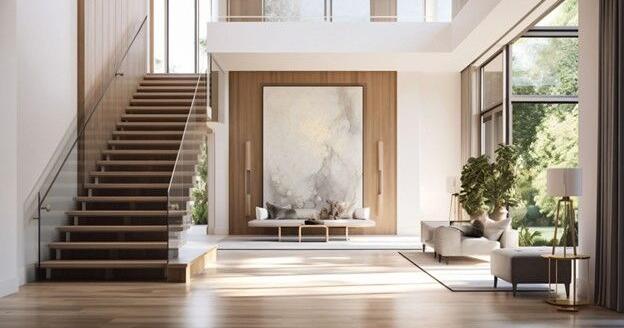
This year is coming to its end, and when it comes to interior trends, one thing is sure: our homes have changed to match the way we live. Interiors are softer, warmer, and far more practical than they were a few years ago.
The era of sleek-but-sterile spaces has faded, replaced by rooms that invite you to slow down, feel comfortable, and make use of every corner.
But this shift is something more than a trend. People truly don’t want to chase a polished look but are focusing on how spaces function day to day while still feeling deeply personal.
Keep reading to see how this turn toward practicality and comfort is affecting the homes of 2025, and what it says about the way we want to live.
Cozy Meets Functional
Like in many other areas of life, comfort has become a guiding principle. Interiors are being designed to support daily routines while still having that feeling of welcoming and calm. Furniture that previously had one purpose now doubles as storage, seating, or display.
Open layouts are being made into smaller, more intentional zones where people can work, rest, and connect without losing warmth.
Simple things like living room shelves were often overlooked, but they’re now getting more attention. More than just storage, they’re used to show personality and bring character into a room while also keeping things tidy.
But this change also has an emotional side. According to Zillow, mentions of the word “cozy” in real estate listings jumped by 35% this year, and “nostalgia” appeared 14% more often. It’s an obvious signal that people are seeking a sense of comfort and familiarity.
So, the cold, minimalist looks that once dominated are now becoming light, soft, and meaningful.
Designing for Comfort and Purpose
Functionality has stepped into the spotlight, but not at the expense of style. The most talked-about interiors of 2025 are those that combine how a space feels with how it works.
Rooms are being made to fit real habits — reading corners tucked beside windows, dining areas that double as workspaces, and storage woven seamlessly into furniture instead of hidden away.
Design philosophies are adapting to this mindset. The once-rigid minimalism of previous years is softening, influenced by approaches like Japandi that favor simplicity without sterility. Japandi mixes Japanese aesthetics with Scandinavian practicality.
What stays is clean lines, but they’re paired with cozy textiles, layered lighting, and natural textures. The goal is to create spaces that are calm without being cold.
The Appeal of Organic Elements
While on the topic of natural textures, bringing the outdoors in is becoming a central part of how interiors are designed.
We’re taking natural materials like wood, stone, and linen that are showing up everywhere, adding texture and grounding spaces with a sense of familiarity. As for the color palette, it’s all about earthy colors, warm beiges, muted greys, clay reds, and soft whites.
This rise in biophilic design reflects a deeper need for balance. Since many people now use their homes for all aspects — work, gathering, resting — they are looking for ways to make them feel more restorative.
A few simple touches, like a few plants on a windowsill, a clay vase on a shelf, or a reclaimed wood table, can make you feel closer to the natural world even in the middle of a rushed city.
It’s also about sustainability and authenticity. What we mean by that is going for materials that age well, sourcing furniture made from renewable resources, and generally celebrating flaws.
As a result, you get interiors that feel truly timeless, places where you can feel nature’s influence.
Personal Touches and Character-Driven Spaces
This year, design is moving away from cookie-cutter interiors and toward spaces that tell a story. Homeowners want to fill their rooms with pieces that represent who they are, from vintage market finds to handmade ceramics and family heirlooms.
It’s this sense of depth and individuality that mass-produced décor just can’t match.
The appeal of this approach goes beyond aesthetics. Spaces filled with personal details feel more welcoming and meaningful. They turn a house into a true reflection of the people who call it home.
Design professionals are supporting the same idea, often suggesting that clients mix old and new pieces and embrace imperfections.
The result is homes that feel layered, personal, and real. In other words, a reminder that character isn’t something you purchase, but something that grows naturally as your space evolves.
Conclusion
All in all, homes this year aren’t chasing trends. They’re built around how people actually want to live. That’s why warmth, comfort, and purpose now guide every design choice, whether it’s materials on the walls or the way a room functions day to day.
Spaces don’t feel sterile and cold anymore, but are softer, more personal and linked to nature. And yet, they’re practical enough to support busy lives.
It’s really a change that says a lot about our priorities: we care less about perfection and more about how a home makes us feel. That’s why interiors today feel welcoming, grounded, and, most importantly, more like us.
link