
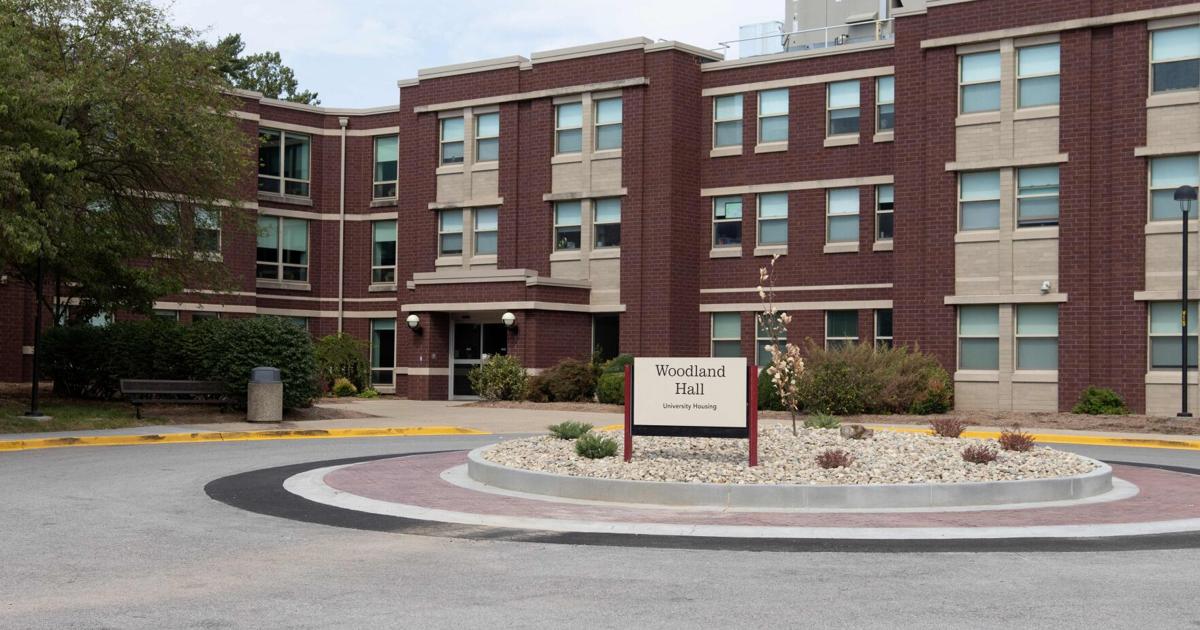
University Housing is experiencing an unexpected surge in first-year student applications, leading to temporary housing adjustments.
Incoming freshmen must stay on campus unless they are within a 60-mile radius of the school. Mallory Sidarous, director of University Housing, said that the higher-than-anticipated influx of applications necessitated the use of study lounges as temporary living spaces.
“We prioritize ensuring first-year students are in a first-year hall for the start of the semester,” Sidarous said. “Our goal is to transition these students into permanent spaces within the first few weeks.”
The decision to utilize lounge spaces isn’t unprecedented, according to Sidarous, though it has been several years since the university last implemented this measure. Sidarous said that this situation doesn’t stem from dorm renovations but rather from increased demand.
“We experienced an influx of first-year student applications towards the end of the summer,” Sidarous said.
The converted study lounges, located at the end of hallways, are equipped with blinds for privacy. Each student is provided with a key to the locked room containing a bed, wardrobe, dresser and desk. The social lounges in the halls are still accessible and open to the residents.
Students residing in these temporary spaces will pay the rate for a shared residence hall room. Additionally, they will receive a weekly credit of $15 applied to their student account to compensate for sharing a bathroom with other residents. Sidarous said that placements are determined by application date, with same-gender assignments maintained.
The increased demand has also affected the availability of private rooms. Sidarous said that room preferences are not guaranteed. She also said Housing adjusts the allocation of private rooms based on overall demand.
University Housing is collaborating with Enrollment Management to plan for future housing needs. While there are no immediate plans to change the current housing structure, to keep first-year students in specific residence halls of Bluff, Prairie and Woodland, Sidarous says the university will remain responsive to student needs.
Sidarous said that student satisfaction surveys often reveal that students in shared spaces report a greater sense of belonging, particularly during their first year.
link